How to Fact-Check Information Generated by AI

Why an AI Answer Can Sound Right and Still Be Wrong Generative AI’s distinction between factual correctness and fluent writing is perplexing. A linguistic model can create a well-structured explanation without credible proof for every sentence. The result may appear more authoritative than the data. Generative AI systems discover patterns from enormous volumes of data … Read more
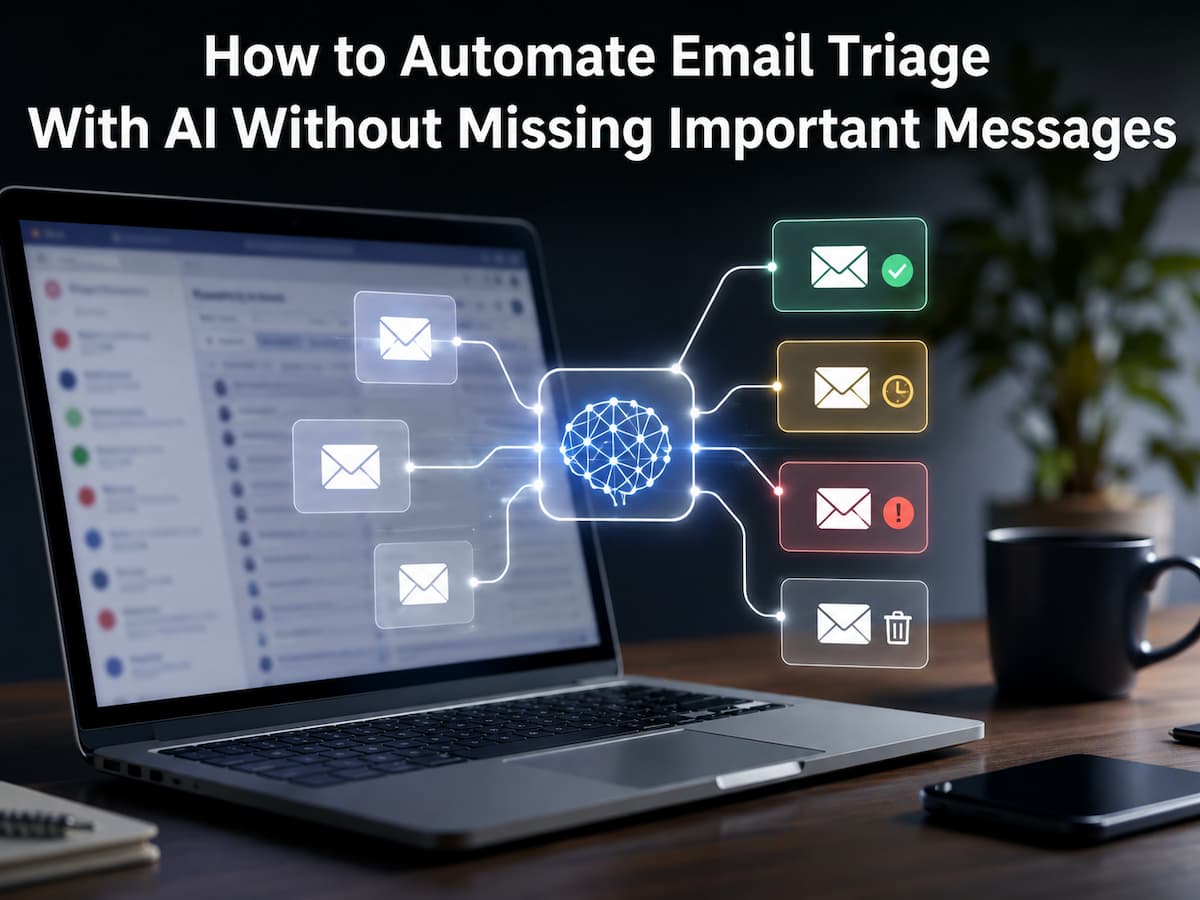

How to Automate Email Triage With AI Without Missing Important Messages

An overflowing inbox creates odd work. You may waste 20 minutes reading email without doing anything. A newsletter needs no action, a colleague needs a rapid response, a meeting invitation demands a decision, and somewhere in it is a crucial message. The issue goes beyond email overload. Deciding what to prioritize. AI may analyze message … Read more

How to Calculate the Business ROI of an AI Investment Before You Commit

A software vendor just demoed your team an excellent AI system. It can generate summaries of papers, respond to client inquiries, pull information from files, or automate a piece of a procedure. The demo is nice, and the monthly rate is fair. ‘What will we actually get back for our money?’ someone poses the question … Read more

How to Build a Consistent Brand Voice When Multiple People Use AI

A brand with a beautiful website, great visual identity, and carefully planned messaging might feel curiously inconsistent when different people write its content. One worker writes warmly and helpfully. Formal and corporate sounding. Another person asks an AI tool to draft and gets enthusiastic language, while another tweaks AI-generated material until it’s practically hard to … Read more

How AI Can Help You Reduce Information Overload Without Reading Everything

Once, a lack of information was the main issue. The contrary is generally true today. Your inbox might hold dozens of messages, news feeds update frequently, work documents pile up, and a simple online search can yield hundreds of pages. Even if the material is useful, time and attention may be limited. This is where … Read more

How to Evaluate AI Output Before Using It in Professional Work

Artificial intelligence can produce reports, summaries, emails, code, marketing copy, research notes, and many other forms of content within seconds. This speed is one of its greatest advantages, but it can also create a false sense of confidence. A response that looks polished and well-structured may still be inaccurate, incomplete, or inappropriate for its intended … Read more

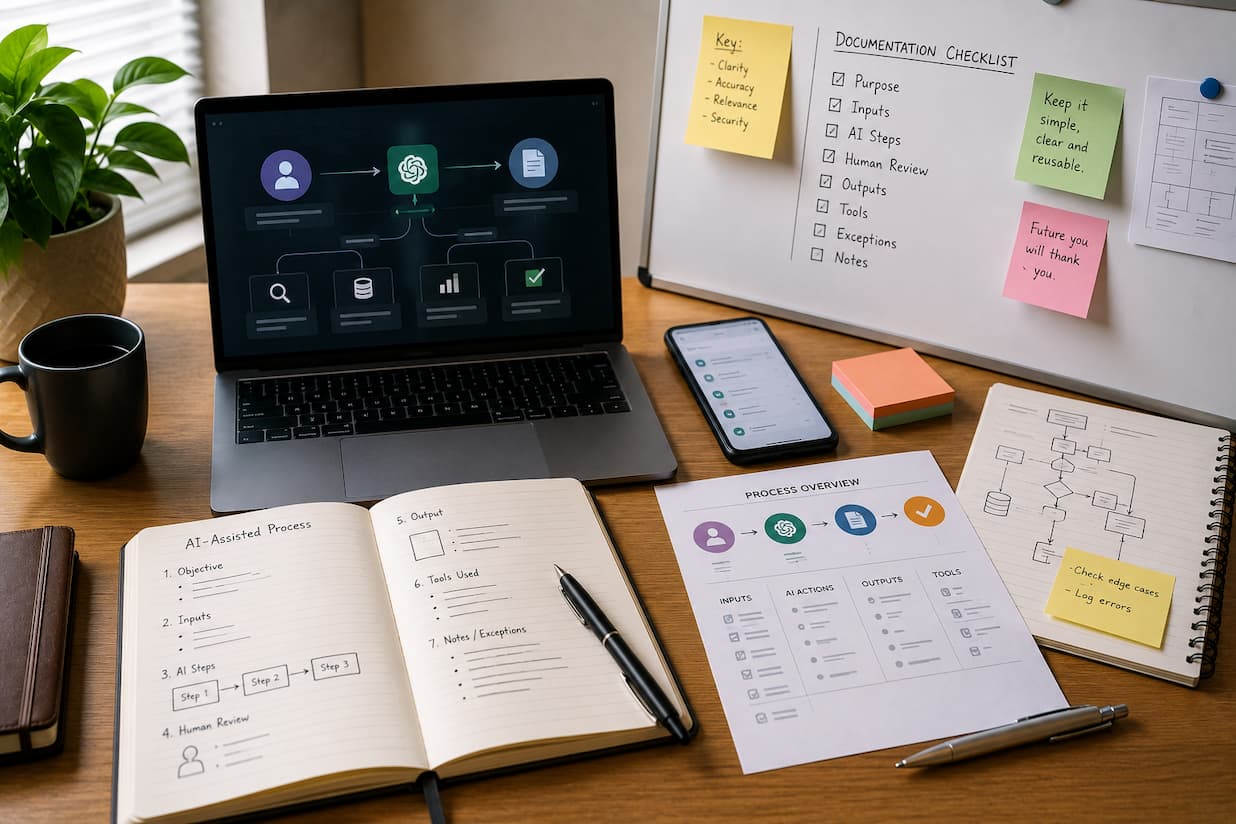
How to Build an AI Workflow That Someone Else Can Actually Follow

Although AI workflows can be incredibly useful for their creators, they can be extremely difficult for others to use or even understand. Many companies are unaware of these complexities. A set of instructions sometimes exists only in someone’s personal notes; important choices are based on unwritten conventions, and significant adjustments are automated without being documented. … Read more

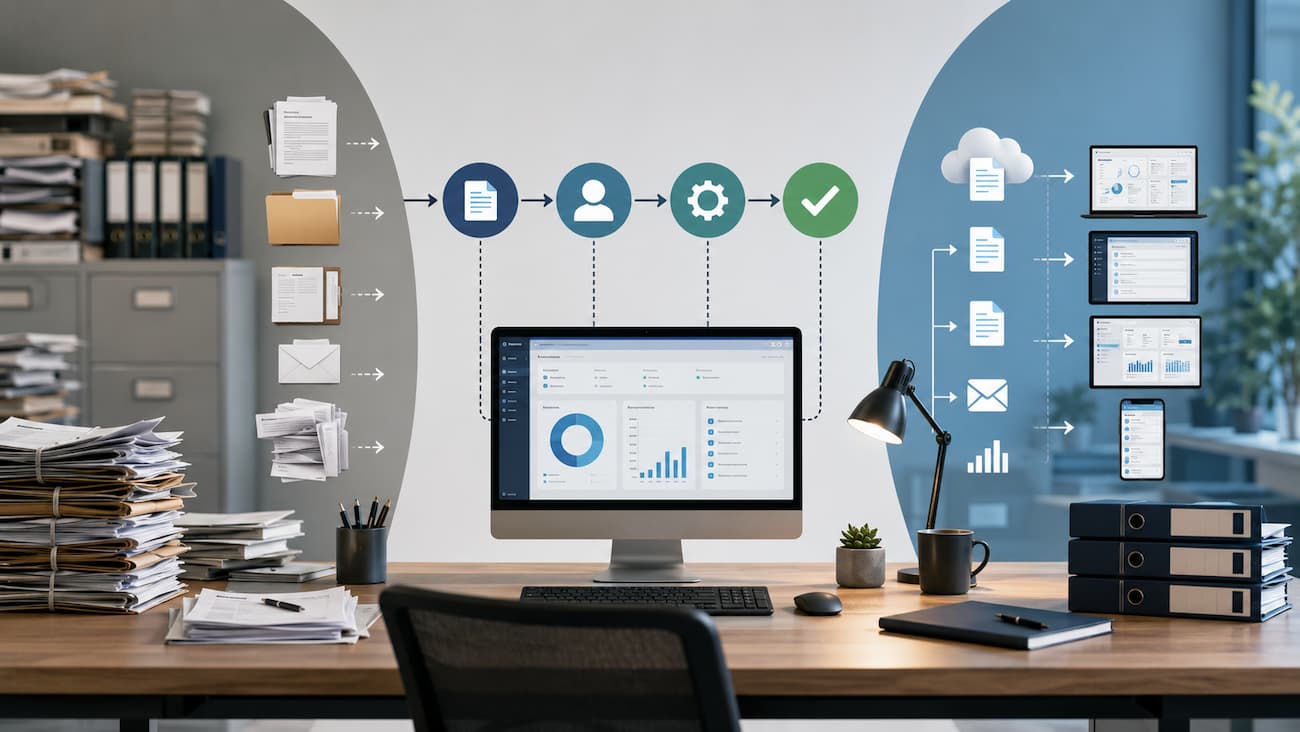
How to Replace a Manual Workflow Without Disrupting Daily Operations

Replacing a manual workflow can make everyday work faster and more organized, but changing a process that people rely on every day is not as simple as switching on a new tool. A workflow may involve employees, customers, spreadsheets, emails, approval steps, and several different systems. Even a small change can create confusion if someone … Read more

How to Decide Whether a Task Should Be Automated With AI

Artificial intelligence is now available to enterprises of all scales, enabling automation for jobs that formerly necessitated continuous human involvement. Consequently, numerous enterprises encounter a common inquiry: Which responsibilities ought to be automated? The solution is seldom as straightforward as pinpointing tasks that need extensive time. Certain tasks significantly gain from AI, whereas others suffer … Read more